Article
Newcastle Disease and Marek’s Disease: Distinguishing Respiratory, Neurological and Paralytic Presentations
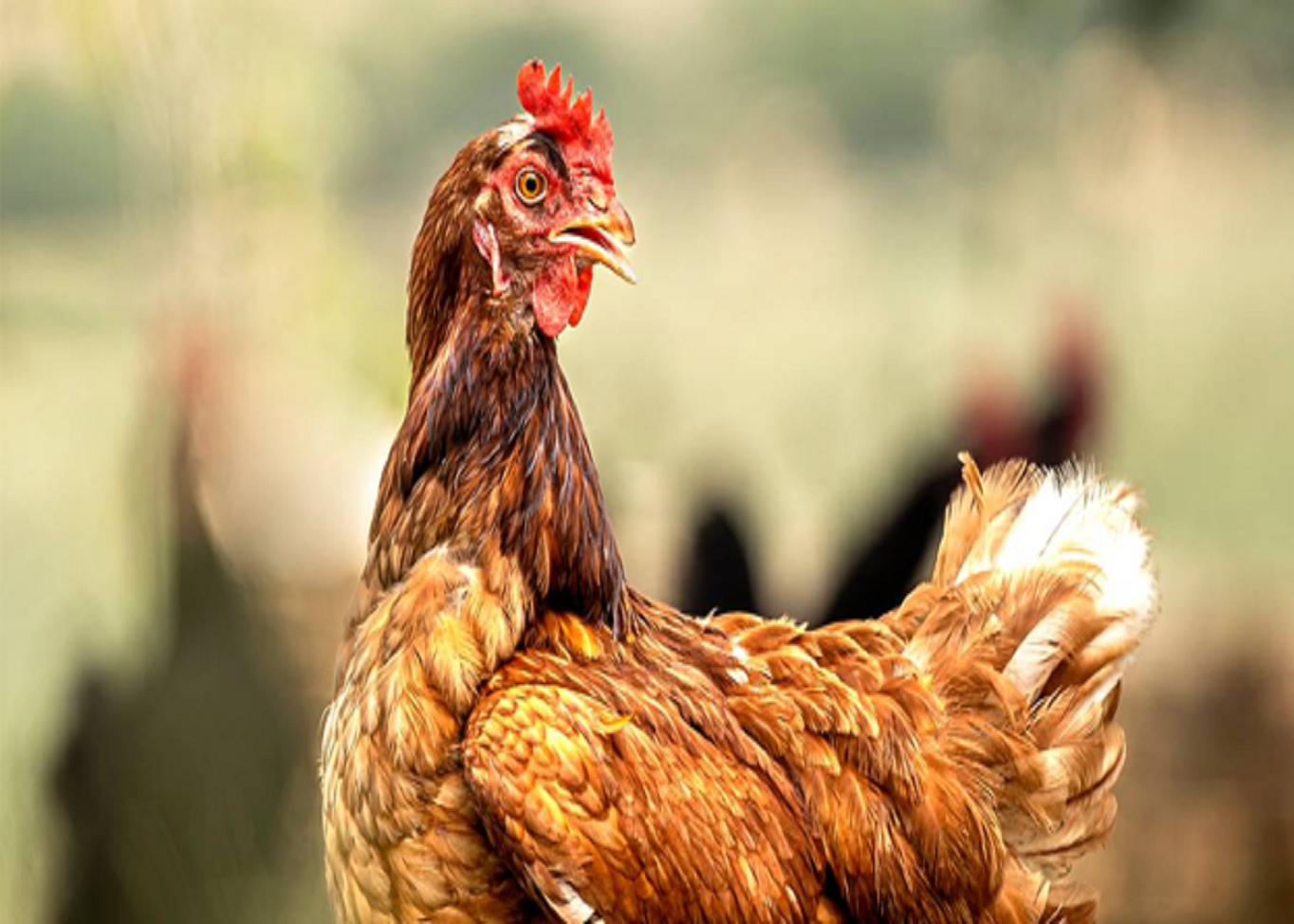
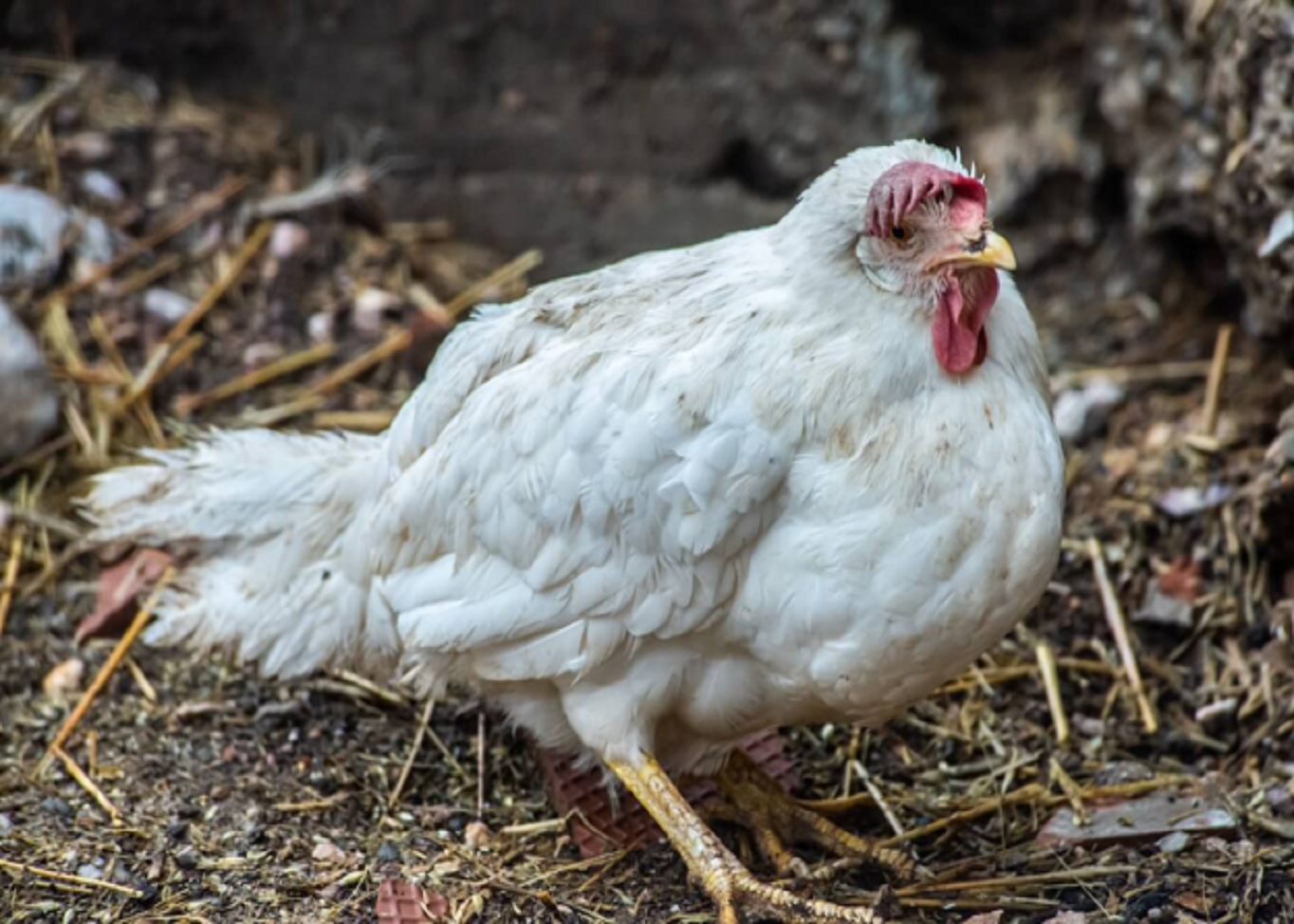
A chicken with respiratory distress may have Newcastle disease, but the clinical picture can change considerably depending on the viral pathotype. Similarly, paralysis in a bird should prompt consideration of Marek’s disease, particularly when peripheral nerve involvement is suspected. Recognising these differences helps veterinarians interpret flock-level signs and assess the likely disease pattern.
Newcastle Disease: The Pathotype Influences Clinical Severity
Newcastle disease (ND) is caused by closely related viruses belonging to the avian paramyxovirus type 1 (APMV-1) serotype. It is highly contagious and affects chickens, turkeys and several other bird species[1].
ND viruses are classified into five pathotypes according to the disease they produce in chickens under laboratory conditions. Their clinical effects range from mild respiratory infection to severe disease with high mortality.
- Viscerotropic velogenic: Produces a severe form of disease, characteristically associated with haemorrhagic lesions in the intestinal tract.
- Neurotropic velogenic: Causes high mortality, accompanied by respiratory and nervous signs.
- Mesogenic: Produces respiratory signs and sometimes nervous signs, with low mortality.
- Lentogenic: Causes mild or inapparent respiratory infection.
- Asymptomatic enteric: Produces inapparent enteric infection[1],[2],[3].
This distinction is clinically important. Respiratory signs alone do not indicate the severity or pathotype of infection. Neurological involvement and the presence of intestinal haemorrhagic lesions provide additional clues to the disease pattern.
The oral route is the most common mode of infection. Conjunctival and respiratory routes may also contribute to transmission[2],[3].
Marek’s Disease: Peripheral Nerve Involvement and Paralysis
Marek’s disease is caused by a cell-associated, lymphotropic herpesvirus. Three serotypes have been described. Serotype 1 includes pathogenic or oncogenic strains, serotype 2 includes naturally non-attenuated strains, and serotype 3 comprises turkey herpesvirus (HVT), a non-oncogenic virus related to Marek’s disease virus[4].
Unlike the varied respiratory and systemic presentations associated with Newcastle disease, Marek’s disease is particularly important for its effects on peripheral nerves.
The brachial and sciatic plexuses, nerve trunks, celiac plexus, abdominal vagus and intercostal nerves are among the structures commonly affected. Enlargement of one or more peripheral nerves can result in paralysis in chickens[1].
When paralysis is observed, this nerve involvement is an important clinical consideration. The distribution of affected nerves helps explain why the disease can produce different patterns of impaired movement.
Applying These Differences in Flock Assessment[1]
Respiratory signs, nervous manifestations, and paralysis should be interpreted in the context of the overall flock presentation.
- In suspected Newcastle disease, consider the combination of respiratory and nervous signs, mortality patterns and possible intestinal haemorrhagic lesions.
- In birds showing paralysis, consider Marek’s disease and its characteristic peripheral nerve involvement.
- Consider the different routes of Newcastle disease infection when assessing potential flock exposure.
Clinical Bottom Line
Newcastle disease can range from mild respiratory infection to severe disease with respiratory, nervous or intestinal involvement, depending on the pathotype. Marek’s disease is distinguished by its association with peripheral nerve enlargement and paralysis. Recognising these clinical differences helps veterinarians frame a more focused assessment of affected poultry flocks.
References:
- Serbessa TA, Geleta YG, Terfa IO. Review on diseases and health management of poultry and swine. International Journal of Avian & Wildlife Biology. 2023 Apr;7(1):27-38. https://www.researchgate.net/profile/Tagesu-Abdisa/publication/371044181
- Abdisa T, Tagesu T. Review on Newcastle disease of poultry and its public health importance. J. Vet. Sci. Technol. 2017;8(3):441. https://www.researchgate.net/profile/Tolera-Tagesu/publication/317608898
- Dzogbema KF, Talaki E, Batawui KB, Dao BB. Review on Newcastle disease in poultry. International Journal of Biological and Chemical Sciences. 2021 Jun 23;15(2):773-89. https://www.researchgate.net/profile/Bawoumondom-Dao/publication/352756949
- Boodhoo N, Gurung A, Sharif S, Behboudi S. Marek’s disease in chickens: a review with focus on immunology. Veterinary research. 2016 Nov 28;47(1):119. https://link.springer.com/content/pdf/10.1186/s13567-016-0404-3.pdf
Related Contents
Article
Recognising Major Bacterial Diseases in Poultry: Clinical Signs and Transmission Clues
Respiratory signs in a poultry flock do not always point to the same bacterial disease. Nasal discha...
Article
Poultry Parasitic Diseases: Recognising the Impact of Coccidia, Helminths and Ectoparasites
Parasitic infections can affect poultry productivity even when clinical signs are not immediately ob...
Article
Managing Poultry Health Through Housing, Ventilation, Lighting and Nutrition
A poultry house is more than a shelter. Its temperature, airflow, lighting, feed availability and wa...
Article
Poultry Farm Biosecurity and Vaccination: Preventing Disease Introduction and Spread
Disease prevention on a poultry farm depends on more than responding to clinical cases. Farm layout,...
Article
Post-Weaning Diarrhoea in Piglets: Recognising Age-Related Enteric Pathogens and Clinical Presentations
The days following weaning represent an important period for monitoring enteric health in piglets. D...
Article
Respiratory and Systemic Diseases in Pigs: Recognising Clinical Patterns Across Production Stages
Respiratory illness in pigs may present as coughing and laboured breathing, while systemic infection...
Article
Swine Herd Biosecurity: Managing Disease Risks Through Animal Movement, Personnel and Farm Operations
A swine herd can face disease exposure through several routine farm activities. Introducing replacem...
Article
Traumatic Reticuloperitonitis vs Traumatic Pericarditis in Cattle and Buffaloes: Recognising the Clinical Differences
A cow presenting with reduced milk production, tachycardia and inappetence may initially raise suspi...