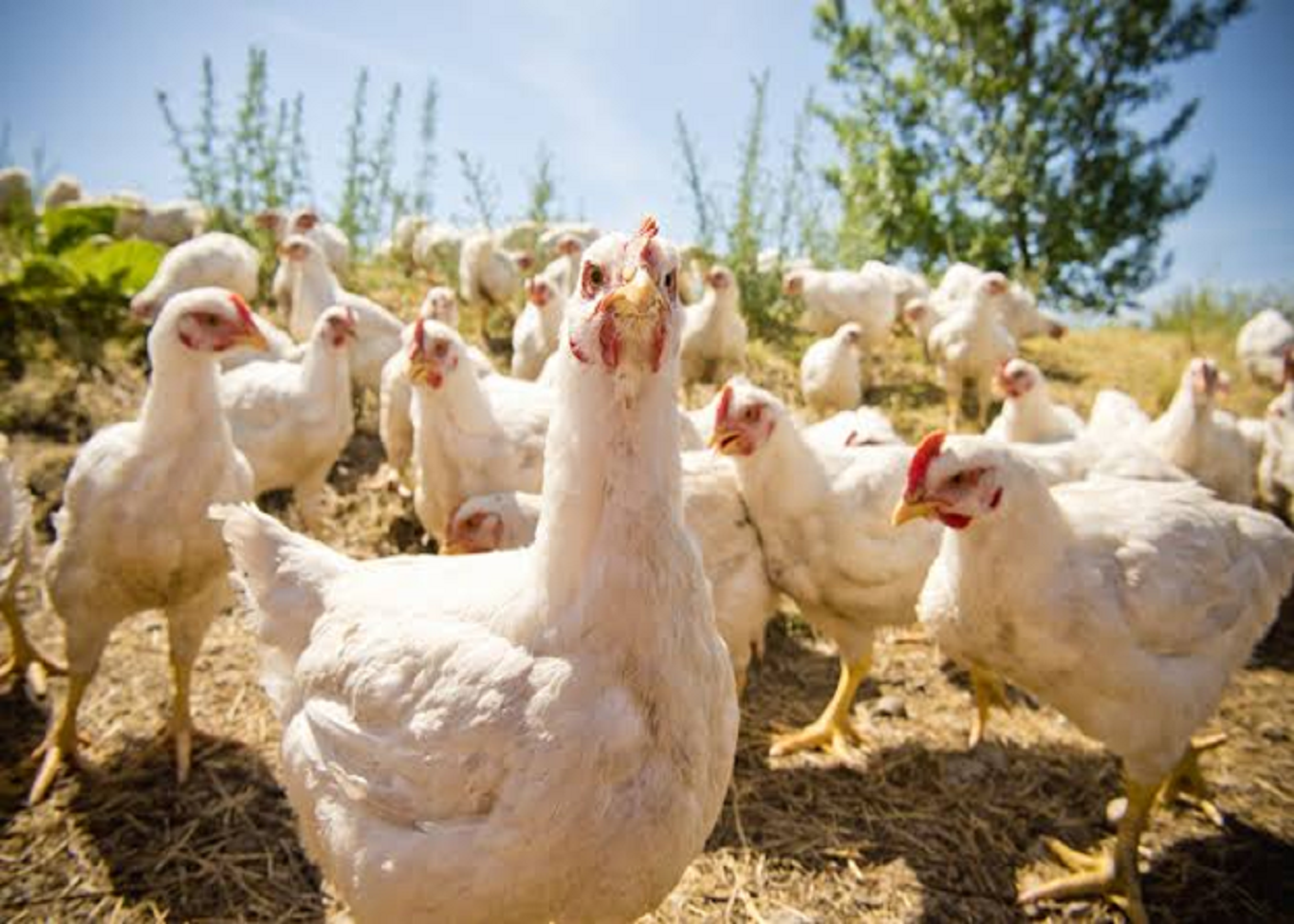
Article
Poultry Parasitic Diseases: Recognising the Impact of Coccidia, Helminths and Ectoparasites
Parasitic infections can affect poultry productivity even when clinical signs are not immediately obvious. Poor growth, reduced feed utilisation and declining egg production may indicate an underlying parasitic burden. In severe infections, mortality may also occur. For veterinarians, recognising the different parasite groups and their clinical effects is important when assessing flock health[1].
Distinguishing Internal and External Parasites[1],[2]
Poultry parasites are broadly classified as endoparasites and ectoparasites. Lice, mites, fleas, and ticks are external parasites found on the skin and feathers. Internal parasites include protozoa, cestodes, nematodes, and trematodes, which may be found in the digestive tract, blood, and poultry droppings.
Intestinal helminths are particularly relevant because they can interfere with normal development and contribute to commercial losses.
Cestodes: Look Beyond Reduced Egg Production[1]
Cestodes interfere with the host’s metabolism by absorbing glucose, galactose, amino acids, polypeptides, and proteins. Common cestodes affecting chickens include Raillietina tetragona, R. echinobothrida, R. cesticillus, Choanotaenia infundibulum and Hymenolepis carioca.
Clinical signs may include:
- Ruffled feathers and drooping wings
- Reduced egg production
- Poor growth and weight loss
- Leg weakness or paralysis
- A sudden increase in mean mortality
White pellet-like structures in faeces may also indicate cestode eggs. These findings can help guide the veterinarian’s assessment of suspected cestode infestation.
Nematodes: Assess Feed Utilisation and Growth[1],[3]
Common poultry nematodes include Ascaridia galli, Heterakis gallinarum, Gongylonema ingluvicola and Syngamus trachea. Among these, A. galli and H. gallinarum are reported as the most prevalent, while the others are less common.
Nematodes affect host metabolism and reduce feed utilisation, impairing growth, and production. Poor flock performance should therefore be considered alongside the possibility of helminth infestation.
Coccidiosis: A Major Production Concern[1],[4]
Coccidiosis is identified as a common poultry disease associated with substantial economic losses, particularly in developing countries. It is caused by protozoal parasites of the genus Eimeria, including E. tenella, E. brunetti, E. mitis, E. acervulina, E. necatrix, E. maxima, and E. mivati.
Parasitism may present as poor development, impaired feed conversion, reduced growth, and lower egg production. Severe infections can result in death. Parasite burdens may also reduce flock resistance to other diseases and aggravate existing health problems.
Ectoparasites: Consider Their Role in Disease Transmission[1]
Fleas, ticks, mites, and lice can affect poultry health directly. They may also transmit infectious diseases or act as transporters and intermediate hosts for helminth parasites. Ticks and mites are identified as vectors of Newcastle disease, chlamydia and pasteurellosis.
Clinical takeaway: Reduced growth, poor feed utilisation, declining egg production and unexplained mortality warrant consideration of parasitic disease. Assessment should account for both internal and external parasites, as their effects extend beyond individual birds to overall flock health and productivity.
References:
- Serbessa TA, Geleta YG, Terfa IO. Review on diseases and health management of poultry and swine. International Journal of Avian & Wildlife Biology. 2023 Apr;7(1):27-38. https://www.researchgate.net/profile/Tagesu-Abdisa/publication/371044181
- Borghare AT, Bagde VP, Jaulkar AD, Katre DD, Jumde PD, Maske DK, Bhangale GN. Incidence of Gastrointestinal parasitism of Captive Wild Pigeons at Nagpur. Veterinary World. 2009 Sep 1;2(9):343. https://www.researchgate.net/profile/Gajendra-Bhangale/publication/39743220
- Gauly M, Duss C, Erhardt G. Influence of Ascaridia galli infections and anthelmintic treatments on the behaviour and social ranks of laying hens (Gallus gallus domesticus). Veterinary Parasitology. 2007 May 31;146(3-4):271-80. https://www.academia.edu/download/78350111/j.vetpar.2007.03.00520220108-10665-12hbyd6.pdf
- Abdisa T, Hasen R, Tagesu T, Regea G, Tadese G. Poultry coccidiosis and its prevention. Control. J. Vet. Anim. Res. 2019;2:103. https://www.scholarena.com/article/Poultry-Coccidiosis-and-its-Prevention-Control.pdf
Related Contents
Article
Recognising Major Bacterial Diseases in Poultry: Clinical Signs and Transmission Clues
Respiratory signs in a poultry flock do not always point to the same bacterial disease. Nasal discha...
Article
Newcastle Disease and Marek’s Disease: Distinguishing Respiratory, Neurological and Paralytic Presentations
A chicken with respiratory distress may have Newcastle disease, but the clinical picture can change...
Article
Managing Poultry Health Through Housing, Ventilation, Lighting and Nutrition
A poultry house is more than a shelter. Its temperature, airflow, lighting, feed availability and wa...
Article
Poultry Farm Biosecurity and Vaccination: Preventing Disease Introduction and Spread
Disease prevention on a poultry farm depends on more than responding to clinical cases. Farm layout,...
Article
Post-Weaning Diarrhoea in Piglets: Recognising Age-Related Enteric Pathogens and Clinical Presentations
The days following weaning represent an important period for monitoring enteric health in piglets. D...
Article
Respiratory and Systemic Diseases in Pigs: Recognising Clinical Patterns Across Production Stages
Respiratory illness in pigs may present as coughing and laboured breathing, while systemic infection...
Article
Swine Herd Biosecurity: Managing Disease Risks Through Animal Movement, Personnel and Farm Operations
A swine herd can face disease exposure through several routine farm activities. Introducing replacem...
Article
Traumatic Reticuloperitonitis vs Traumatic Pericarditis in Cattle and Buffaloes: Recognising the Clinical Differences
A cow presenting with reduced milk production, tachycardia and inappetence may initially raise suspi...