Article
Managing Poultry Health Through Housing, Ventilation, Lighting and Nutrition
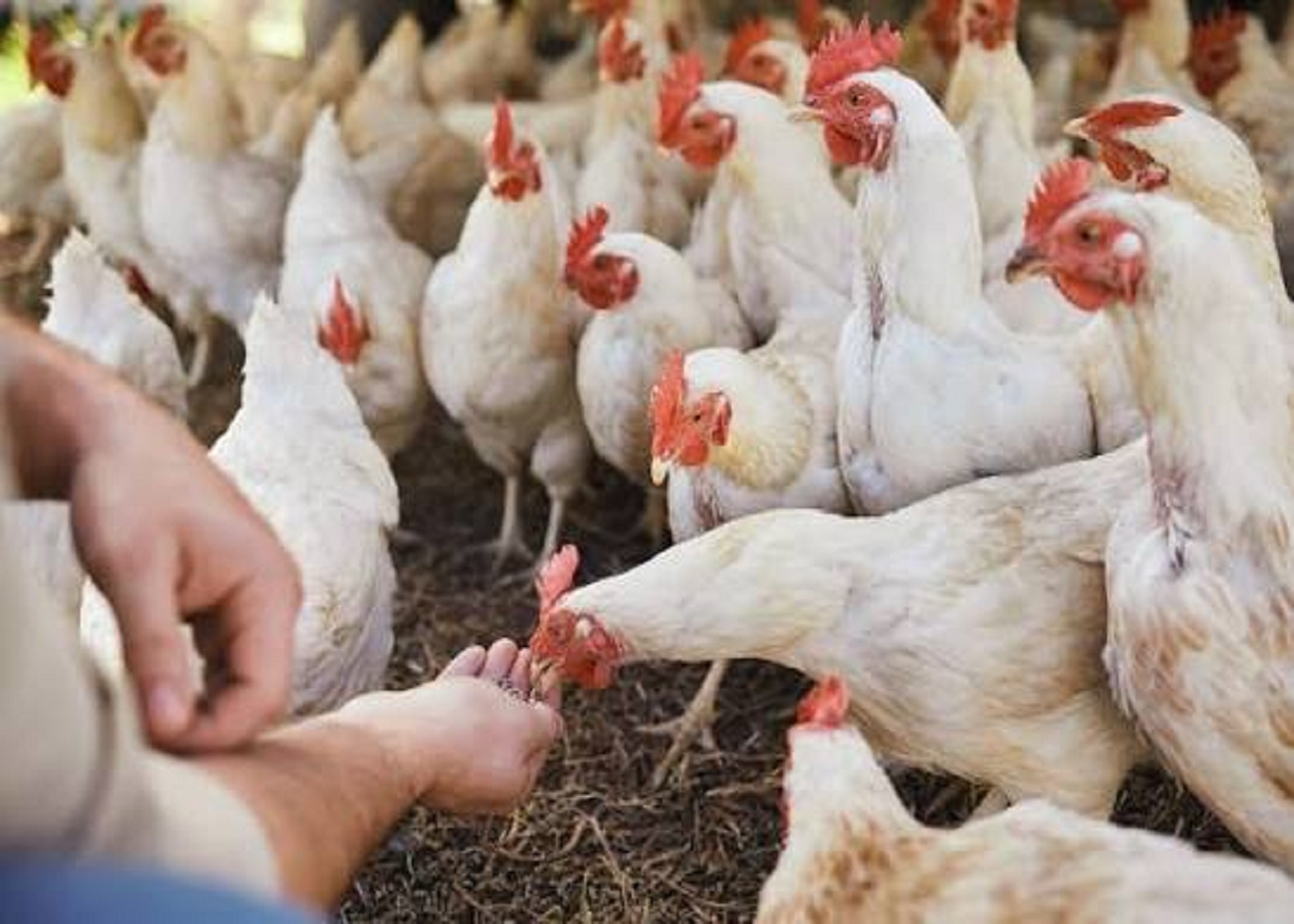
A poultry house is more than a shelter. Its temperature, airflow, lighting, feed availability and water supply all influence bird health and production. Poor management of these conditions can compromise growth, feed conversion, reproductive performance, and flock welfare. For veterinarians assessing recurring production problems, the housing and rearing environment should be part of the overall health evaluation.
Housing and Temperature: Prevent Environmental Stress[1]
Poultry housing should protect birds from cold, rain, wind, excessive sunlight and predators while providing adequate warmth. Chickens begin panting at approximately 29.4°C to dissipate heat. Because they lack sweat glands, they also increase water intake to avoid dehydration.
Temperature monitoring is therefore important. Each poultry house should have a thermometer that displays current as well as daily high and low temperatures. Weather forecasts can help producers anticipate changing environmental conditions.
Ventilation: Balance Fresh Air and Heat Conservation[1]
Ventilation supplies fresh air and removes excess heat, moisture and gases from poultry houses. Both natural and mechanical systems can be used, although natural ventilation offers less control.
Management requirements change with the season:
- During warm weather: Larger volumes of air need to move through the house to remove heat and regulate temperature.
- During cold weather: Ventilation must remove moisture and gases, particularly ammonia, while conserving heat.
In natural ventilation, warm air rises while cooler air enters through lower openings. A roof height of at least six feet allows sufficient height difference for this movement of air. During colder periods, controlled air inlets can introduce smaller amounts of moist air. Once warmed inside the house, this air can leave while carrying moisture out.
Keeping a poultry house tightly closed to conserve heat can therefore create another problem: moisture and gases may accumulate.
Lighting: Provide Both Light and Darkness[1],[2]
Light influences activity, food-finding behaviour and seasonal reproduction. However, continuous lighting is not appropriate for good flock health. Chickens need dark periods for melatonin production, which is important in immune function. Welfare programmes usually require at least four to six hours of darkness daily.
The reported daily lighting requirements are 15 hours for growers and 17 hours for layers. Lighting management should therefore account for the production stage rather than follow one schedule for every flock.
Nutrition and Water: Protect Production Performance[1]
Modern broiler, breeder, and egg-production flocks require balanced diets containing essential nutrients to support reproductive efficiency, feed conversion, livability, and immune response. Starter rations contain higher protein levels, while grower and finisher birds require less protein as they age.
Water availability is equally important. Insufficient water reduces feed intake, retards growth, and impairs egg production. In hot conditions, water deprivation can rapidly cause overheating and death. Birds also require more water at higher temperatures.
Clinical takeaway: When investigating poor growth, reduced egg production or compromised flock performance, assess housing temperature, ventilation, lighting schedules, feed quality and water availability together. Environmental management is an integral part of poultry health management.
References:
- Serbessa TA, Geleta YG, Terfa IO. Review on diseases and health management of poultry and swine. International Journal of Avian & Wildlife Biology. 2023 Apr;7(1):27-38. https://www.researchgate.net/profile/Tagesu-Abdisa/publication/371044181
- Demeke S. Suitability of hay-box brooding technology to rural household poultry production system. Livestock research for rural development. 2007;19(1):347-54. https://lrrd.cipav.org.co/lrrd19/1/deme19003.htm
Related Contents
Article
Recognising Major Bacterial Diseases in Poultry: Clinical Signs and Transmission Clues
Respiratory signs in a poultry flock do not always point to the same bacterial disease. Nasal discha...
Article
Newcastle Disease and Marek’s Disease: Distinguishing Respiratory, Neurological and Paralytic Presentations
A chicken with respiratory distress may have Newcastle disease, but the clinical picture can change...
Article
Poultry Parasitic Diseases: Recognising the Impact of Coccidia, Helminths and Ectoparasites
Parasitic infections can affect poultry productivity even when clinical signs are not immediately ob...
Article
Poultry Farm Biosecurity and Vaccination: Preventing Disease Introduction and Spread
Disease prevention on a poultry farm depends on more than responding to clinical cases. Farm layout,...
Article
Post-Weaning Diarrhoea in Piglets: Recognising Age-Related Enteric Pathogens and Clinical Presentations
The days following weaning represent an important period for monitoring enteric health in piglets. D...
Article
Respiratory and Systemic Diseases in Pigs: Recognising Clinical Patterns Across Production Stages
Respiratory illness in pigs may present as coughing and laboured breathing, while systemic infection...
Article
Swine Herd Biosecurity: Managing Disease Risks Through Animal Movement, Personnel and Farm Operations
A swine herd can face disease exposure through several routine farm activities. Introducing replacem...
Article
Traumatic Reticuloperitonitis vs Traumatic Pericarditis in Cattle and Buffaloes: Recognising the Clinical Differences
A cow presenting with reduced milk production, tachycardia and inappetence may initially raise suspi...