Article
Respiratory and Systemic Diseases in Pigs: Recognising Clinical Patterns Across Production Stages
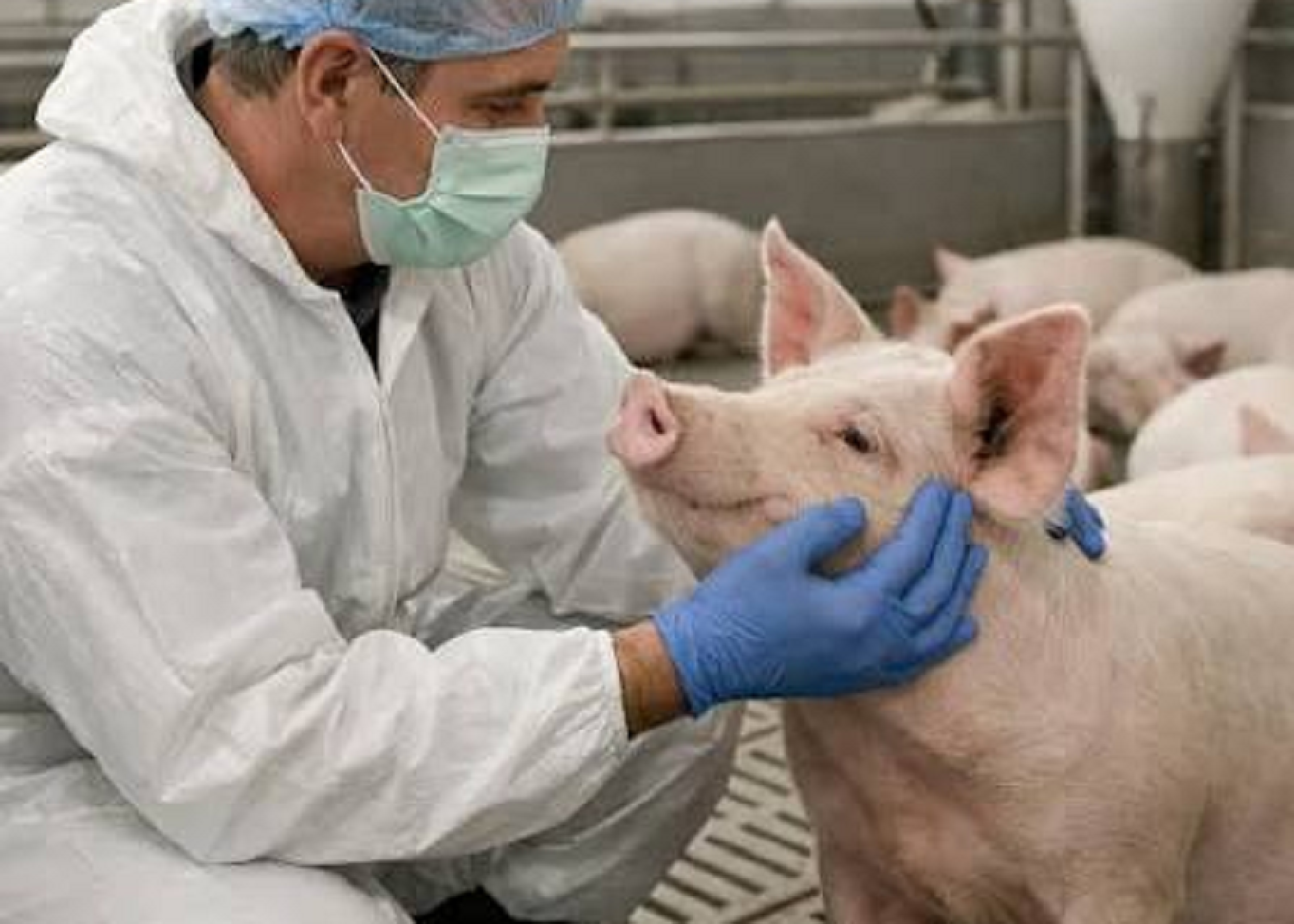
Respiratory illness in pigs may present as coughing and laboured breathing, while systemic infections can involve joints, the nervous system, skin, and multiple organs. Recognising these different clinical patterns helps veterinarians assess affected animals in the context of their production stage and identify the need for further investigation.
Disease can reduce feed conversion efficiency, slow growth, and increase mortality, directly affecting herd productivity. Respiratory, gastrointestinal, reproductive, limb, and skin problems are among the common health concerns in pig production[1].
Respiratory Disease: Look Beyond Coughing
Pneumonia-associated respiratory problems in pigs are commonly linked to Mycoplasma hyopneumoniae, Actinobacillus pleuropneumoniae and porcine reproductive and respiratory syndrome virus (PRRSV)[2].
The bacterial disease profile identifies the following respiratory conditions:
- Enzootic pneumonia: Associated with Mycoplasma hyopneumoniae, particularly in growing and finishing pigs.
- Atrophic rhinitis: Associated with Pasteurella multocida and Bordetella bronchiseptica. The reported susceptible age for P. multocida-associated disease is 1–8 weeks, while nasal distortion associated with B. bronchiseptica may persist throughout life[3].
Respiratory signs should also be considered alongside the animal's general condition. Laboured breathing and coughing are among the clinical signs reported in pigs, but changes in appetite, activity and body condition can provide additional information during herd assessment[2].
Systemic Disease: Recognising Multisystem Involvement
Some bacterial infections affect multiple body systems rather than presenting exclusively as respiratory disease.
The reported systemic disease profile includes[2],[3]:
- Streptococcus suis: Associated with meningitis, endocarditis, arthritis and peritonitis, particularly in pigs aged 2–10 weeks.
- Haemophilus parasuis: Associated with Glässer's disease, including arthritis, pericarditis and peritonitis in pigs aged 2–10 weeks.
- Escherichia coli: Associated with bacteraemia, arthritis, navel infections, cystitis and nephritis.
- Staphylococcus aureus: Associated with bacteraemia, arthritis, osteomyelitis, mastitis and metritis across different age groups.
- Erysipelothrix rhusiopathiae: Associated with erysipelas, characterised by dermatitis, diamond-shaped skin lesions, arthritis and endocarditis in growers, finishers and sows.
These presentations demonstrate why examining only the respiratory system may be insufficient when evaluating an unwell pig.
PRRS: Respiratory and Reproductive Consequences[2],[4]
PRRSV is also identified among the major causes of pneumonia-associated respiratory problems. Its reported clinical manifestations include fever, anorexia, and reproductive disturbances ranging from mild to severe, including abortion and reproductive failure.
Clinical Takeaway
Assessment should consider production stage, respiratory signs, appetite, behaviour, skin changes, joint involvement and reproductive history. Diseases can affect feed conversion, growth and survival, making early recognition and herd-level health monitoring important components of swine management.
References:
- Osei Sekyere J. Antibiotic types and handling practices in disease management among pig farms in Ashanti Region, Ghana. Journal of veterinary medicine. 2014;2014(1):531952. https://onlinelibrary.wiley.com/doi/pdf/10.1155/2014/531952
- Serbessa TA, Geleta YG, Terfa IO. Review on diseases and health management of poultry and swine. International Journal of Avian & Wildlife Biology. 2023 Apr;7(1):27-38. https://www.researchgate.net/profile/Tagesu-Abdisa/publication/371044181
- Aarestrup FM, Duran CO, Burch DG. Antimicrobial resistance in swine production. Animal health research reviews. 2008 Dec;9(2):135-48. https://www.researchgate.net/profile/David-Burch-3/publication/23451069
- Dhakal S, Renukaradhya GJ. Nanoparticle-based vaccine development and evaluation against viral infections in pigs. Veterinary research. 2019 Nov 6;50(1):90. https://link.springer.com/content/pdf/10.1186/s13567-019-0712-5.pdf
Related Contents
Article
Recognising Major Bacterial Diseases in Poultry: Clinical Signs and Transmission Clues
Respiratory signs in a poultry flock do not always point to the same bacterial disease. Nasal discha...
Article
Newcastle Disease and Marek’s Disease: Distinguishing Respiratory, Neurological and Paralytic Presentations
A chicken with respiratory distress may have Newcastle disease, but the clinical picture can change...
Article
Poultry Parasitic Diseases: Recognising the Impact of Coccidia, Helminths and Ectoparasites
Parasitic infections can affect poultry productivity even when clinical signs are not immediately ob...
Article
Managing Poultry Health Through Housing, Ventilation, Lighting and Nutrition
A poultry house is more than a shelter. Its temperature, airflow, lighting, feed availability and wa...
Article
Poultry Farm Biosecurity and Vaccination: Preventing Disease Introduction and Spread
Disease prevention on a poultry farm depends on more than responding to clinical cases. Farm layout,...
Article
Post-Weaning Diarrhoea in Piglets: Recognising Age-Related Enteric Pathogens and Clinical Presentations
The days following weaning represent an important period for monitoring enteric health in piglets. D...
Article
Swine Herd Biosecurity: Managing Disease Risks Through Animal Movement, Personnel and Farm Operations
A swine herd can face disease exposure through several routine farm activities. Introducing replacem...
Article
Traumatic Reticuloperitonitis vs Traumatic Pericarditis in Cattle and Buffaloes: Recognising the Clinical Differences
A cow presenting with reduced milk production, tachycardia and inappetence may initially raise suspi...