Article
Post-Weaning Diarrhoea in Piglets: Recognising Age-Related Enteric Pathogens and Clinical Presentations
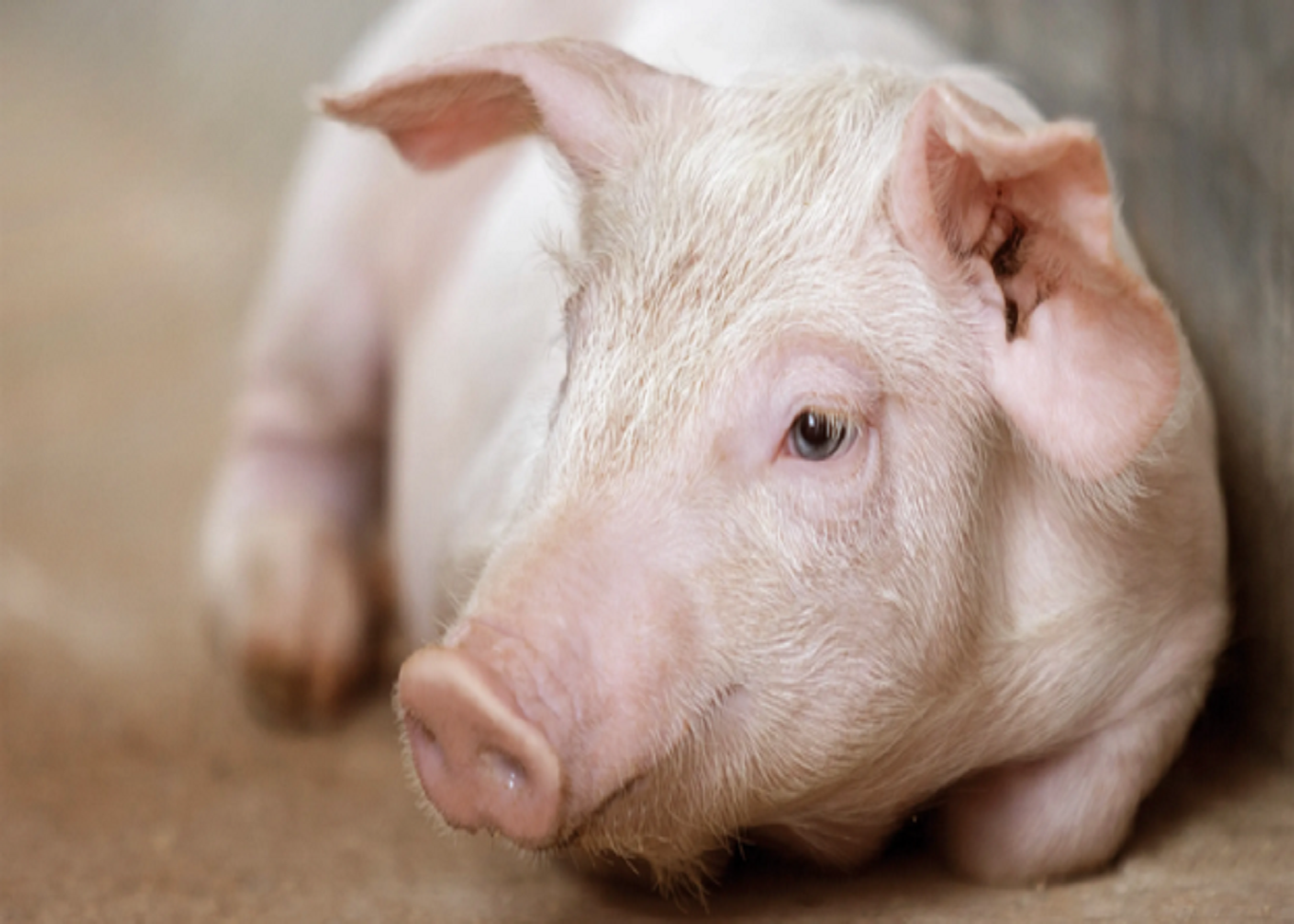
The days following weaning represent an important period for monitoring enteric health in piglets. Diarrhoea is among the most frequently recorded health problems in pig farms and can contribute to reduced activity, secondary infections, and mortality. Recognising the age groups associated with different enteric pathogens can help veterinarians interpret clinical presentations and identify where closer monitoring is needed.
Age Helps Narrow the Differential
Enteric diseases in pigs do not affect all age groups in the same way. The timing of clinical signs in relation to birth, weaning, and the growing period provides useful diagnostic context.
The reported age associations include:
- Escherichia coli: Neonatal scours occur at one day of age, piglet scours at 7–14 days, and post-weaning diarrhoea is reported 5–7 days after weaning.
- Clostridium perfringens: Type A is associated with diarrhoea in piglets aged 10–21 days and weaned pigs, while Type C is associated with necrotising enteritis in piglets aged 1–7 days.
- Clostridium difficile: Associated with diarrhoeal disease in piglets aged 3–7 days[1].
These age-related patterns are useful when evaluating a diarrhoeic piglet, particularly when several animals within a group develop signs around the same time.
Look Beyond the Presence of Diarrhoea
Diarrhoea is not merely an isolated clinical finding. Affected pigs may become inactive and are vulnerable to severe secondary infections and death. Diarrhoeal syndromes in suckling and weaning piglets also contribute to increased piglet mortality[2].
The clinical assessment should therefore consider the piglet's activity and general condition alongside the onset and distribution of diarrhoea. Affected animals require attention even when the initial presentation appears limited to scouring.
Consider the Farm Environment[1],[2]
The quality and hygiene of the outside space, interior cages and wallowing areas are identified as risk factors for diarrhoea in weaned piglets.
This makes environmental assessment an important part of investigating enteric disease. When diarrhoea occurs repeatedly within a group, veterinarians should consider whether hygiene conditions in the housing and surrounding areas may be contributing to the problem.
Bacterial diseases are an important cause of enteric infections in swine production. Other organisms listed in the enteric disease profile include Salmonella species, with S. Typhimurium associated with diarrhoea, septicaemia and death in growing pigs.
A Practical Approach to Herd Assessment[2]
When investigating post-weaning diarrhoea, veterinarians should consider:
- The interval between weaning and the appearance of clinical signs.
- The age distribution of affected piglets.
- Whether diarrhoea is accompanied by inactivity or deterioration in general condition.
- Hygiene and conditions in outdoor spaces, cages, and wallowing areas.
- The possibility of secondary infections and associated mortality.
Clinical takeaway: Age at onset; clinical condition and environmental hygiene provide important context when assessing diarrhoea in piglets. Recognising these patterns helps veterinarians approach enteric disease as a herd-health concern rather than treating diarrhoea as an isolated sign.
References:
- Aarestrup FM, Duran CO, Burch DG. Antimicrobial resistance in swine production. Animal health research reviews. 2008 Dec;9(2):135-48. https://www.researchgate.net/profile/David-Burch-3/publication/23451069
- Serbessa TA, Geleta YG, Terfa IO. Review on diseases and health management of poultry and swine. International Journal of Avian & Wildlife Biology. 2023 Apr;7(1):27-38. https://www.researchgate.net/profile/Tagesu-Abdisa/publication/371044181
Related Contents
Article
Recognising Major Bacterial Diseases in Poultry: Clinical Signs and Transmission Clues
Respiratory signs in a poultry flock do not always point to the same bacterial disease. Nasal discha...
Article
Newcastle Disease and Marek’s Disease: Distinguishing Respiratory, Neurological and Paralytic Presentations
A chicken with respiratory distress may have Newcastle disease, but the clinical picture can change...
Article
Poultry Parasitic Diseases: Recognising the Impact of Coccidia, Helminths and Ectoparasites
Parasitic infections can affect poultry productivity even when clinical signs are not immediately ob...
Article
Managing Poultry Health Through Housing, Ventilation, Lighting and Nutrition
A poultry house is more than a shelter. Its temperature, airflow, lighting, feed availability and wa...
Article
Poultry Farm Biosecurity and Vaccination: Preventing Disease Introduction and Spread
Disease prevention on a poultry farm depends on more than responding to clinical cases. Farm layout,...
Article
Respiratory and Systemic Diseases in Pigs: Recognising Clinical Patterns Across Production Stages
Respiratory illness in pigs may present as coughing and laboured breathing, while systemic infection...
Article
Swine Herd Biosecurity: Managing Disease Risks Through Animal Movement, Personnel and Farm Operations
A swine herd can face disease exposure through several routine farm activities. Introducing replacem...
Article
Traumatic Reticuloperitonitis vs Traumatic Pericarditis in Cattle and Buffaloes: Recognising the Clinical Differences
A cow presenting with reduced milk production, tachycardia and inappetence may initially raise suspi...