Article
Risk Factors for Traumatic Reticulopericarditis in Cattle: The Role of Pregnancy, Feeding Practices and Housing
Traumatic reticulopericarditis is not determined solely by the ingestion of metallic foreign bodies. Animal-related factors and farm management practices can also influence the likelihood of exposure and disease progression. Understanding these associations can help veterinarians identify potentially vulnerable cattle and advise farmers on preventive management.
Why are Cattle Susceptible?
Cattle have limited oral discernment and feeding habits that make it difficult to detect metallic objects mixed with feed. They may also fail to chew feed mixtures thoroughly, facilitating the ingestion of foreign materials[1],[2].
Long, thin, and sharp objects can become lodged in the reticular mucosa. Subsequent reticular contractions may drive these objects through the reticular wall, allowing penetration into surrounding structures and potentially reaching the pericardial sac[3],[4].
The resulting inflammation can progress to traumatic reticulopericarditis, a serious condition associated with cardiac dysfuntion, and substantial mortality[4].
Female Cattle and Late Gestation[4]
Female cattle appear to be an important group for clinical attention. In a retrospective case series involving ten cattle with confirmed traumatic reticulopericarditis, 80% (8/10) were females. Half of these females (4/8) were in the final third of gestation.
A higher incidence in females, particularly during late gestation, has also been reported in previous observations involving cattle and buffaloes.
The proposed explanation is that the increasing weight and size of the pregnant uterus may contribute to the perforation of the reticulum by an already ingested foreign object. This association deserves consideration when evaluating pregnant cattle with compatible clinical findings.
Housing and Feeding Practices
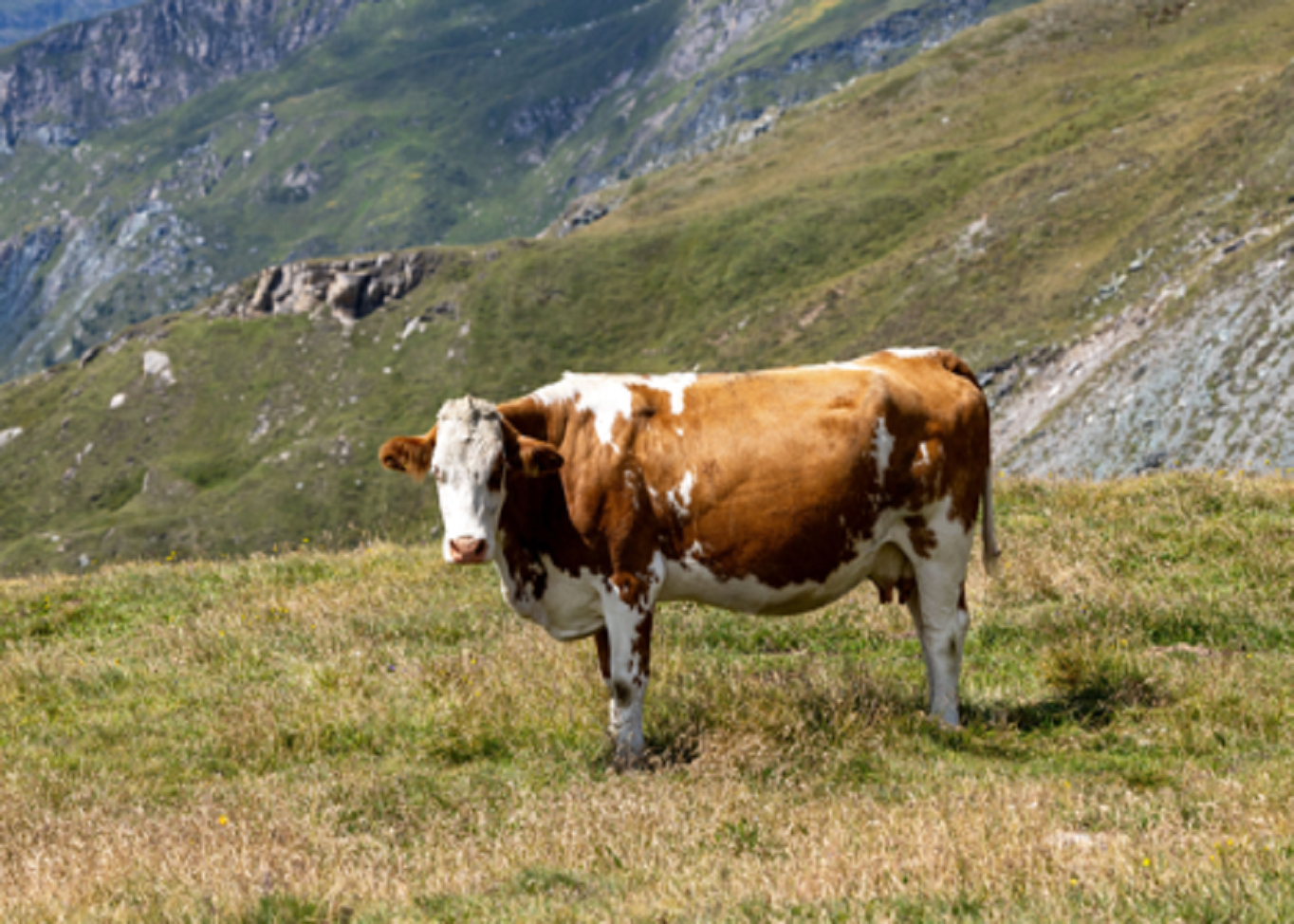
Management conditions also warrant attention. In the reported cases, 60% (6/10) of cattle were maintained exclusively on pasture, while 40% (4/10) had access to both pasture and barns with supplementary feeding.
Disease occurrence has been associated with pasture-based management and feeding large quantities of chopped feed. Inadequate environmental management and agricultural mechanisation may increase the possibility of foreign materials contaminating feed[1].
These observations highlight the importance of considering both feeding practices and the surrounding environment when assessing potential exposure.
Practical Implications for Herd Management
Veterinarians can incorporate the following considerations into farm-level assessment:
- Inspect feeding areas and pasture environments for discarded metallic objects.
- Pay attention to the quality and handling of chopped feed.
- Consider late-gestation cattle as a potentially vulnerable group.
- Assess housing and supplementary feeding practices when investigating suspected cases.
Clinical Bottom Line
Traumatic reticulopericarditis involves more than accidental foreign-body ingestion. Feeding behaviour, environmental contamination, and animal-related factors may contribute to disease occurrence. Identifying these potential risks can support better farm management and preventive advice, although the reported case series does not establish them as independent causal factors.
References:
- Ibrahim HM, Gomaa NA. Traumatic pericarditis in cattle: Risk factors, clinical features and ultrasonographic findings. Journal of Veterinary Science and Medical Diagnosis. 2016;5(3):7-15. https://www.researchgate.net/profile/Hussam_Ibrahim/publication/304913683
- Macedo GG, de Oliveira Ferreira LV, Chiacchio SB. An overview of traumatic reticulopericarditis in cattle and buffaloes. Buffalo Bulletin. 2021 Jun 25;40(2):213-25. https://kuojs.lib.ku.ac.th/index.php/BufBu/article/download/3824/2113
- Eo KY, Lee HH, Lee SK, Jung YM, Yeo YG, Ryu JS, Kang SG, Kwak D, Kwon OD. Traumatic pericarditis caused by a bamboo twig in captive waterbuck (Kobus ellipsiprymnus). Journal of Veterinary Medical Science. 2017;79(9):1556-8. https://www.jstage.jst.go.jp/article/jvms/79/9/79_17-0232/_pdf
- de Oliveira Ferreira LV, Macedo GG, Takahira RK, Rocha NS, Pereira WA, de Oliveira-Filho JP, Borges AS, Amorim RM, Chiacchio SB. Traumatic reticulopericarditis in cattle: a retrospective case series. Large Animal Review. 2025 May 7;31(2):107-11. https://www.largeanimalreview.com/index.php/lar/article/download/933/314
Related Contents
Article
Recognising Major Bacterial Diseases in Poultry: Clinical Signs and Transmission Clues
Respiratory signs in a poultry flock do not always point to the same bacterial disease. Nasal discha...
Article
Newcastle Disease and Marek’s Disease: Distinguishing Respiratory, Neurological and Paralytic Presentations
A chicken with respiratory distress may have Newcastle disease, but the clinical picture can change...
Article
Poultry Parasitic Diseases: Recognising the Impact of Coccidia, Helminths and Ectoparasites
Parasitic infections can affect poultry productivity even when clinical signs are not immediately ob...
Article
Managing Poultry Health Through Housing, Ventilation, Lighting and Nutrition
A poultry house is more than a shelter. Its temperature, airflow, lighting, feed availability and wa...
Article
Poultry Farm Biosecurity and Vaccination: Preventing Disease Introduction and Spread
Disease prevention on a poultry farm depends on more than responding to clinical cases. Farm layout,...
Article
Post-Weaning Diarrhoea in Piglets: Recognising Age-Related Enteric Pathogens and Clinical Presentations
The days following weaning represent an important period for monitoring enteric health in piglets. D...
Article
Respiratory and Systemic Diseases in Pigs: Recognising Clinical Patterns Across Production Stages
Respiratory illness in pigs may present as coughing and laboured breathing, while systemic infection...
Article
Swine Herd Biosecurity: Managing Disease Risks Through Animal Movement, Personnel and Farm Operations
A swine herd can face disease exposure through several routine farm activities. Introducing replacem...